
된장
Doenjang Soup · Guk or Jjigae
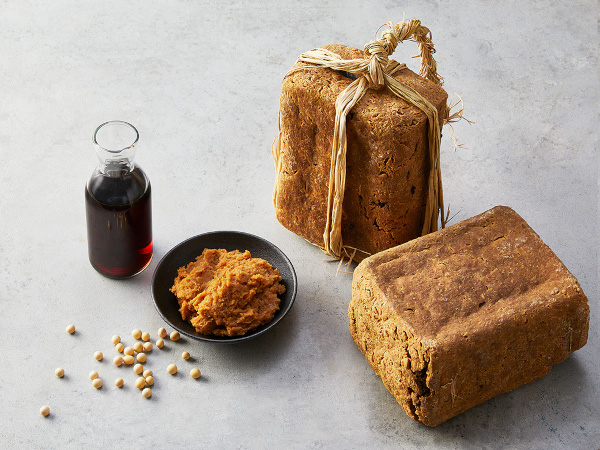
The ancestral core of Korean fermentation, Doenjang stands as a deep, foundational pillar. From its rich soybean block origins, both Ganjang (soy sauce) and Gochujang (chili paste) branch outward.
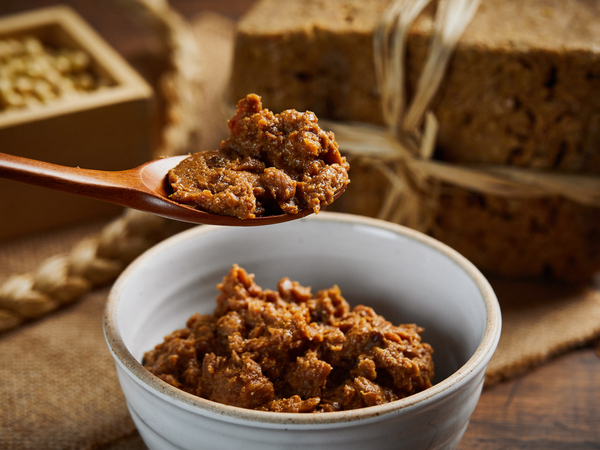
1. Doenjang-Guk (Soup) vs. Doenjang-Jjigae (Stew)
While international diners frequently mistake both for a simple "bean paste soup," Korean culinary tradition draws a sharp line between light, fluid guk and rich, reduced jjigae.
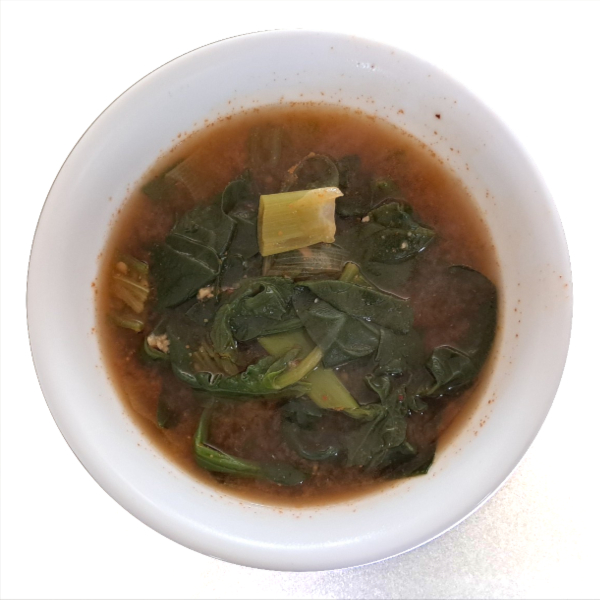
Ingredients (4 Portions)
Method & Ritual
-
Dried anchovy: Take off the head and guts, and roast to remove the strong fishy smell.
-
Broth: Put all the prepared ingredients into a pot and boil over high heat. Remove Dasima (if you boil too long, the broth will become sticky and cloudy).
-
Doenjang: Pour broth into a pot and dissolve 2 tablespoons of soybean paste.
-
Spinach: Trim and wash spinach and cut into about 10cm lengths. When the broth boils vigorously, add all the spinach.
-
Seasoning: Add minced garlic, Gochujang, and Gochugaru together.
-
Garnish: Add the chopped scallion and green chili, bring to a boil, and finish.
-
Serving: Serve in a small or medium-sized ceramic or wooden bowl (avoid metal bowls).
Most Known Japanese Relative:
味噌汁 Misoshiru
While Japanese Misoshiru shares a parallel foundation of fermented bean paste in broth, it typically incorporates rice or barley koji and delicate dashi (kombu/bonito). Crucially, miso is stirred in at the very end and never boiled to protect its delicate aromatics and live enzymes—whereas Korean Doenjang is valued for its deep, robust tolerance to long boiling and earthy, wild-mold fermentation depth.
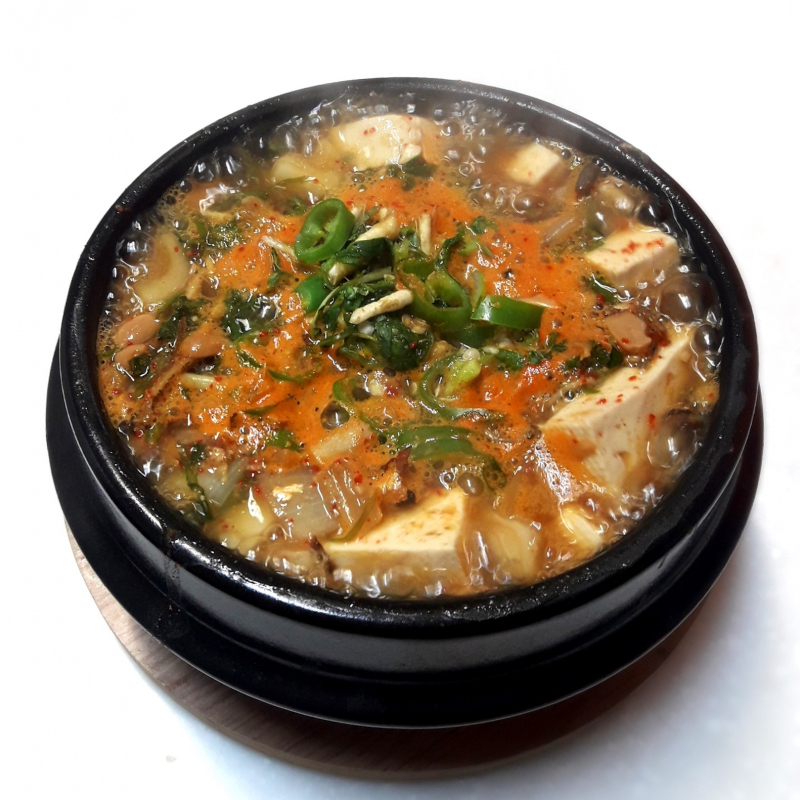
Ingredients (2 Portions)
Method & Ritual
-
Dried anchovy: Take off the head and guts, and roast to remove the strong fishy smell.
-
Broth: Put all the prepared ingredients into a pot and boil over high heat. Remove Dasima (if you boil too long, the broth will become sticky and cloudy).
-
Cutting: Cut tofu, potato, onion, green pumpkin, scallion, and green chili into bite-sized cubes.
-
Ttukbaegi: Doenjang Jjigae tastes best when cooked in a Ttukbaegi (earthenware pot).
-
Doenjang: Dissolve Doenjang in the anchovy broth.
-
Vegetables: Add potatoes first and boil for about 2 minutes, then add the onion and green pumpkin.
-
Seasoning: Add garlic, green chili, and scallion, then simmer for a little longer.
-
Tofu: Add the tofu before turning off the heat.
-
Extra Spicy (Optional): Add Gochugaru and boil for just 30 more seconds.
-
Serving: Place in the center of the table to share. Provide personal bowls and a small ladle to serve individually.
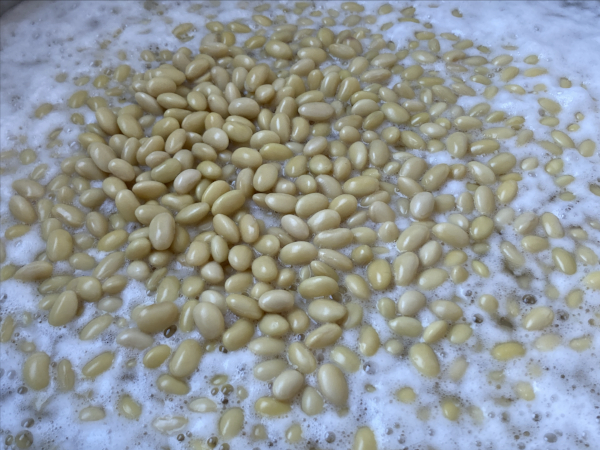
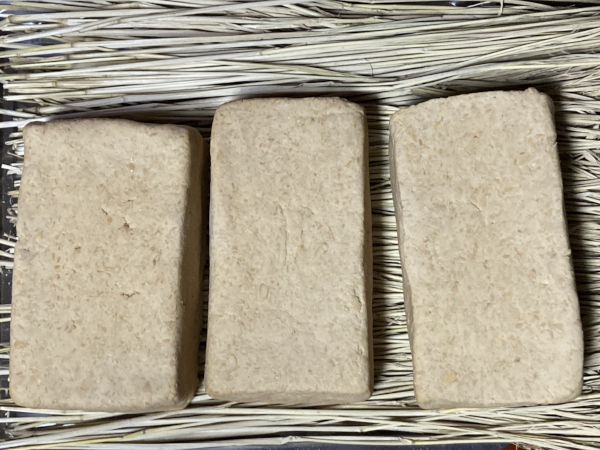
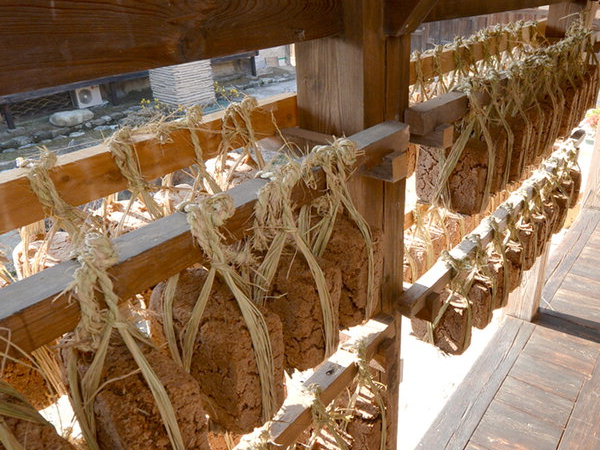
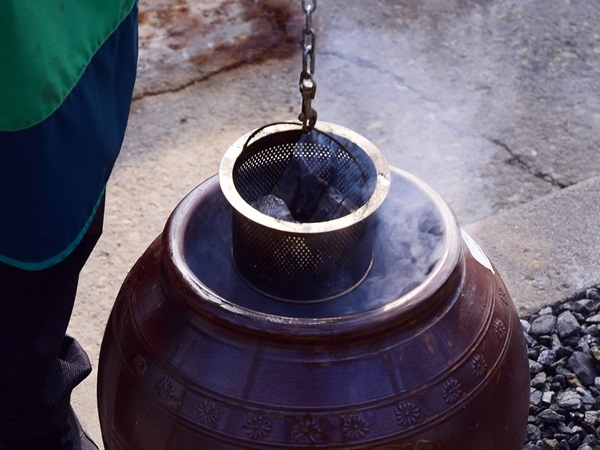
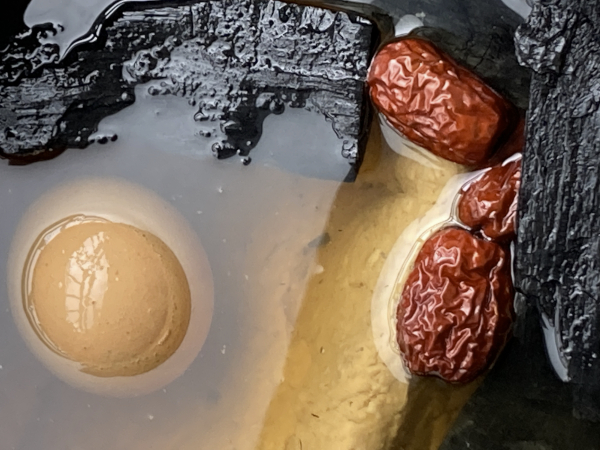
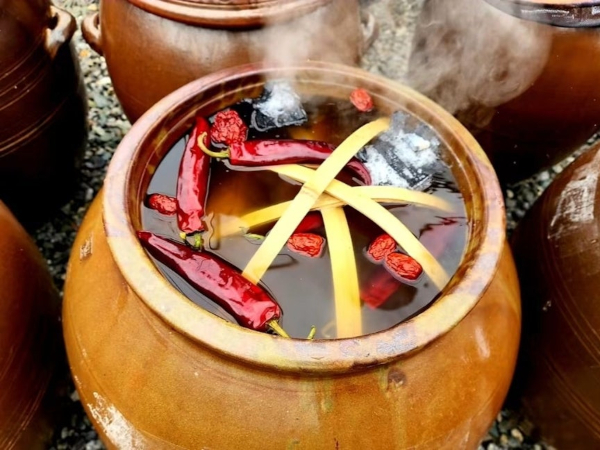
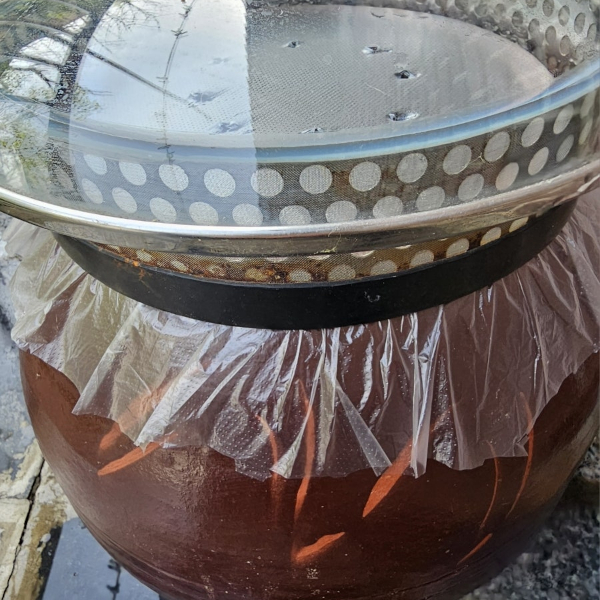
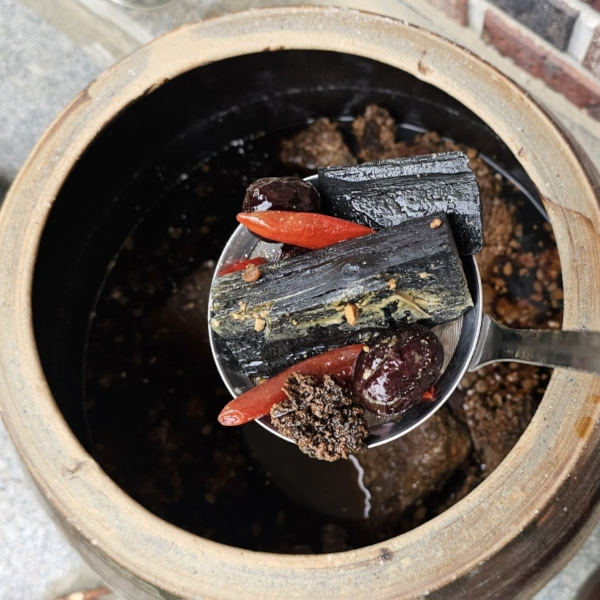
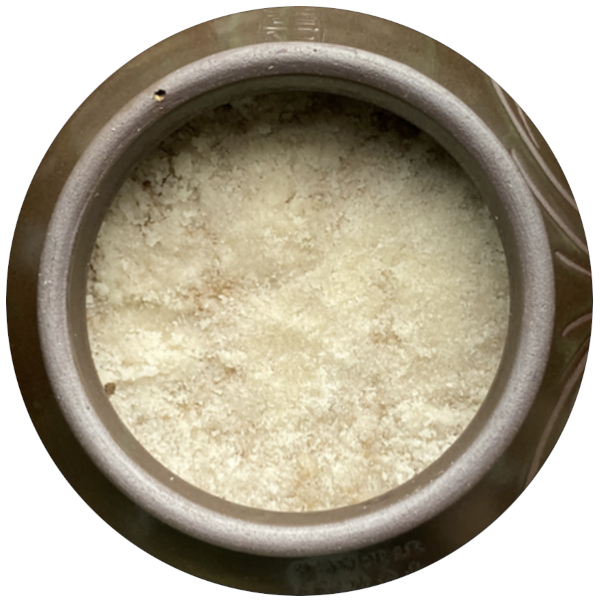
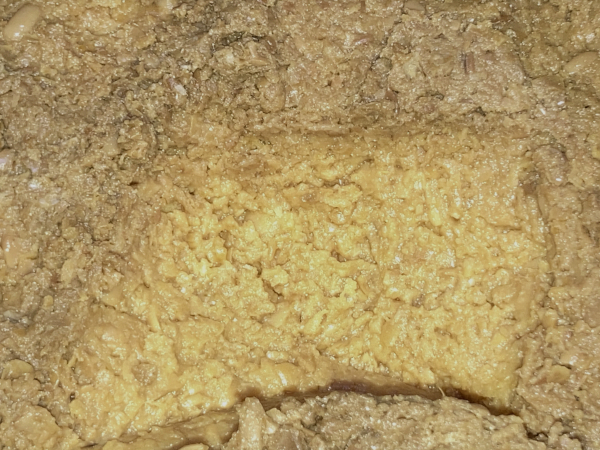
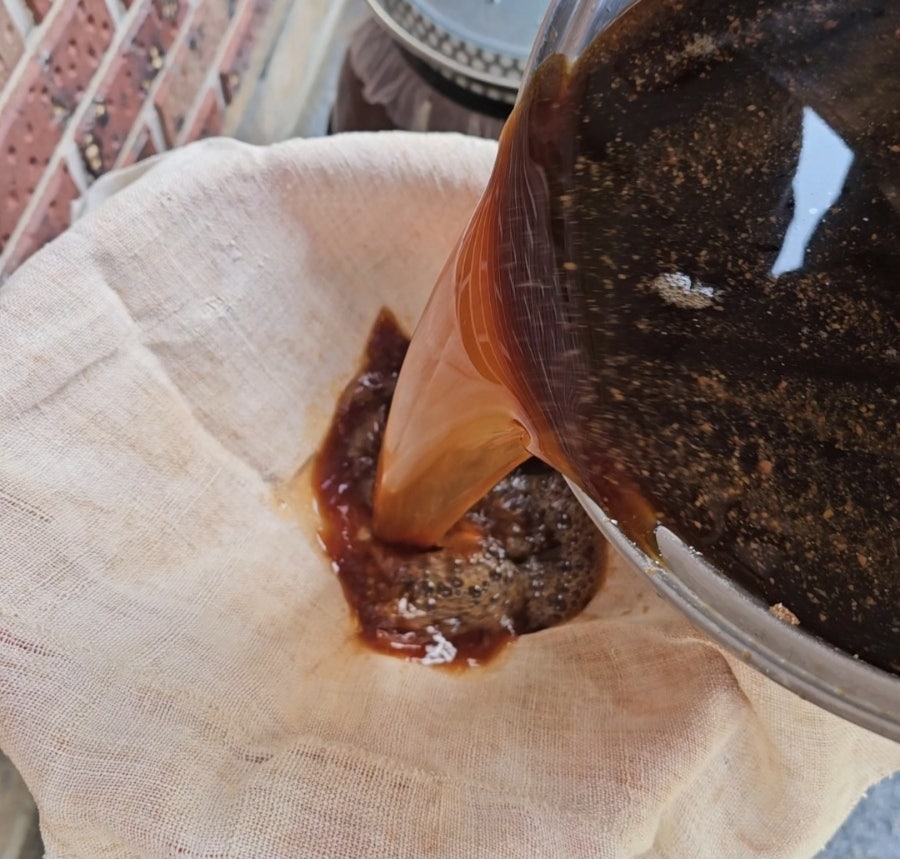
2. Artisanal Doenjang Visual Masterclass
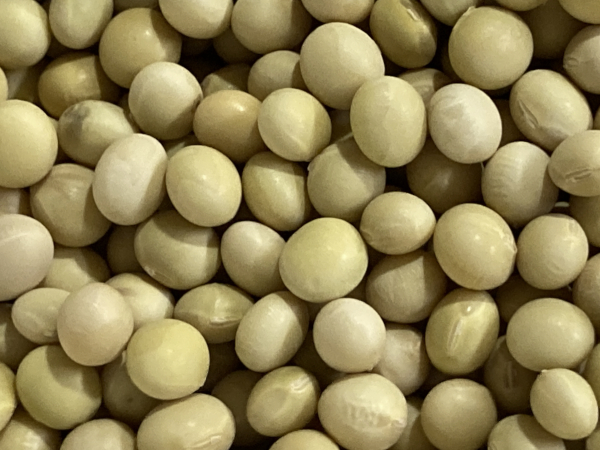
A step-by-step photographic chronicle tracking the 10-stage traditional process from soybean selection to aging and extraction.
3. Nutritional Profile (Per 100g General Doenjang)
Doenjang is celebrated globally not only for its robust culinary flavor but also for its dense nutritional composition packed with plant protein, bioavailable isoflavones, and live fermentation enzymes.
| Nutrient Component | Average Value (Per 100g) | Health & Biological Benefit |
|---|---|---|
| Calories | ~170–200 kcal | Moderate energy density derived primarily from unrefined plant proteins and complex lipids. |
| Protein | ~12.5g – 15.0g | Rich source of essential amino acids broken down during microbial fermentation for easy absorption. |
| Sodium | ~4,300mg – 4,800mg | High salinity natural preservative requirement; diluted across multiple servings in soups and stews. |
| Dietary Fiber | ~5.0g – 6.5g | Supports digestive motility and gut microbiome health. |
| Isoflavones (Genistein / Daidzein) |
~35mg – 50mg | Antioxidant phytoestrogens that support cardiovascular health and metabolic regulation. |
| Probiotics & Enzymes | Live Bacillus strains | Promotes intestinal flora balance and aids macronutrient breakdown. |