
दाल भात
The Art of Dal Bhat · People's Soul Food
Exploring Nepal's ultimate comfort food pairing of bean soup and rice, its parallel to Korea's Gukbab, and six seasonal legume variations.
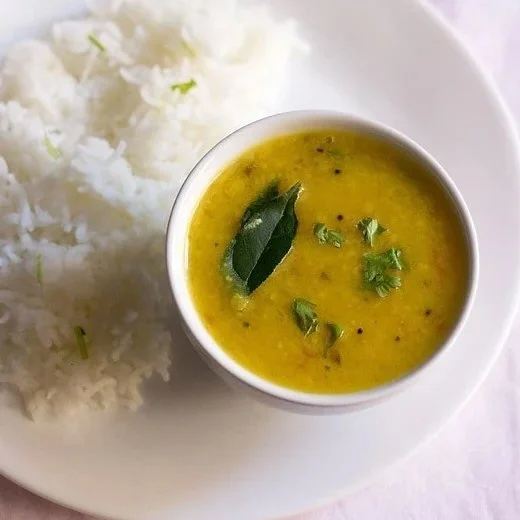
1. The People's Food: Dal Bhat & Gukbab
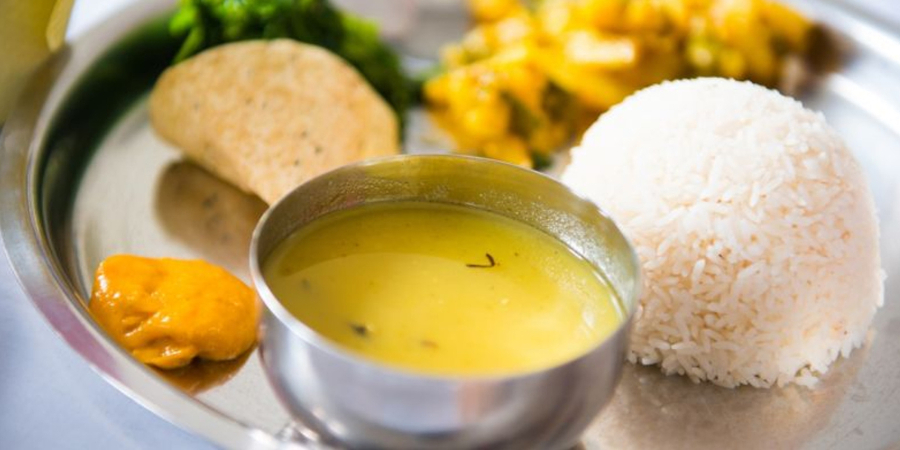
Dal Bhat is the undisputed heartbeat of Nepal—a deeply grounding daily meal consisting simply of nutrient-rich bean soup (dal) poured over steaming boiled rice (bhat). Paired with a sharp, fermented chili or tomato aachar (pickle), it is complete. When elevated with a flavorful vegetable curry (tarkari) or side meat dishes, it transforms into a grand, satisfying feast enjoyed by everyone from high-altitude villagers to city dwellers.
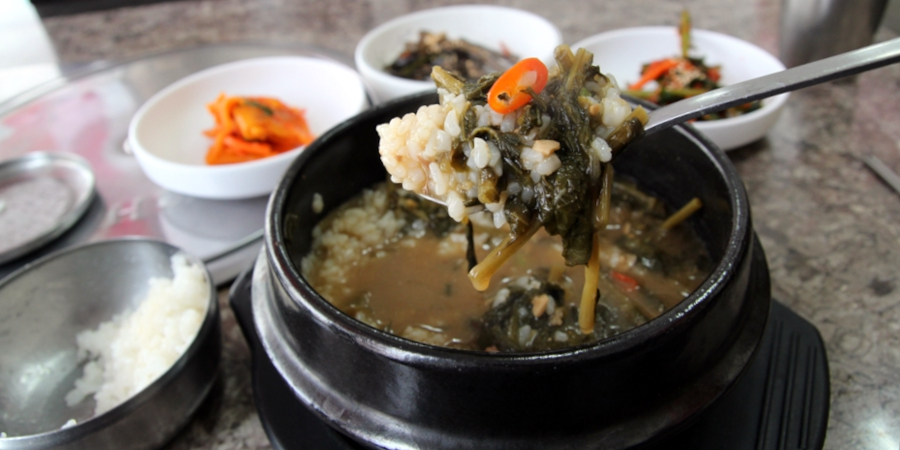
Interestingly, across the Asian continent in Korea, there exists an identical culinary philosophy known as Gukbab—literally translating to "soup and rice." Just like Dal Bhat, Gukbab represents the ultimate form of nourishment: accessible, comforting, and infinitely variable depending on regional ingredients and seasonal produce.
Ingredients (2 Portions)
Method & Ritual
-
Boil the Lentils: Combine rinsed masoor dal, 3 cups of water, turmeric, and a pinch of salt in a pot. Bring to a boil, reduce heat, and simmer for 15–20 minutes until the lentils are completely tender. Mash gently against the side of the pot for a creamier consistency.
-
Prepare the Tempering (Tadka / Jhaneko): Heat ghee or oil in a small pan over medium heat. Sizzle the cumin seeds, then sauté chopped onions, garlic, and ginger until lightly golden. Stir in the chopped tomatoes and green chilies until softened.
-
Combine & Simmer: Pour the hot, spiced tadka directly into the cooked dal. Mix thoroughly and let simmer for 2 to 5 minutes to marry the flavors. Adjust salt or consistency with water as needed.
-
Garnish & Serve: Finish with fresh cilantro and an optional squeeze of lemon juice. Serve piping hot over steamed white rice or with flatbread.
Ingredients (2 Portions)
Method & Ritual
-
Prep Siraegi: Thoroughly rinse dried radish greens until the water runs clean. Squeeze out excess moisture and chop finely.
-
Sauté Beef & Spice: Heat cooking oil and sesame oil in a wok and sauté the beef until the surface changes color. Add gochugaru (red pepper powder), stir-fry briefly, then pour in rice water until the meat is just covered.
-
Add Greens & Seasonings: Add the prepared siraegi, minced garlic, soup soy sauce, and a portion of the fish sauce. Bring the mixture to a rolling boil.
-
Simmer & Flavor: Reduce heat and simmer thoroughly so the flavors meld. Add seasoning gradually to taste, reserving some fish sauce until later to prevent over-salting as the liquid reduces.
-
Finishing: Stir in finely chopped Cheongyang peppers and scallions. Simmer for a few more minutes until rich and aromatic.
-
Serving: Ladle piping hot into a traditional earthenware pot (tukbaegi) and serve alongside a bowl of steamed rice and seasonal banchan.
2. Seasonal & Occasional Varieties of Dal
While rice provides the stable baseline, Dal is where variety, medicine, and flavor shift with the seasons. Below are six core characteristic legumes categorized by their seasonal character, preparation, and signature flavoring.

1. Red Lentil (Musuro Dal)
- Season: All Seasons (Versatile daily default)
- Preparation: Split red lentils; quick-boils without mandatory soaking. Breaks down into a smooth, comforting puree.
- Flavoring: Tempered in hot mustard oil with garlic, cumin seeds, turmeric, and dried red chilies.
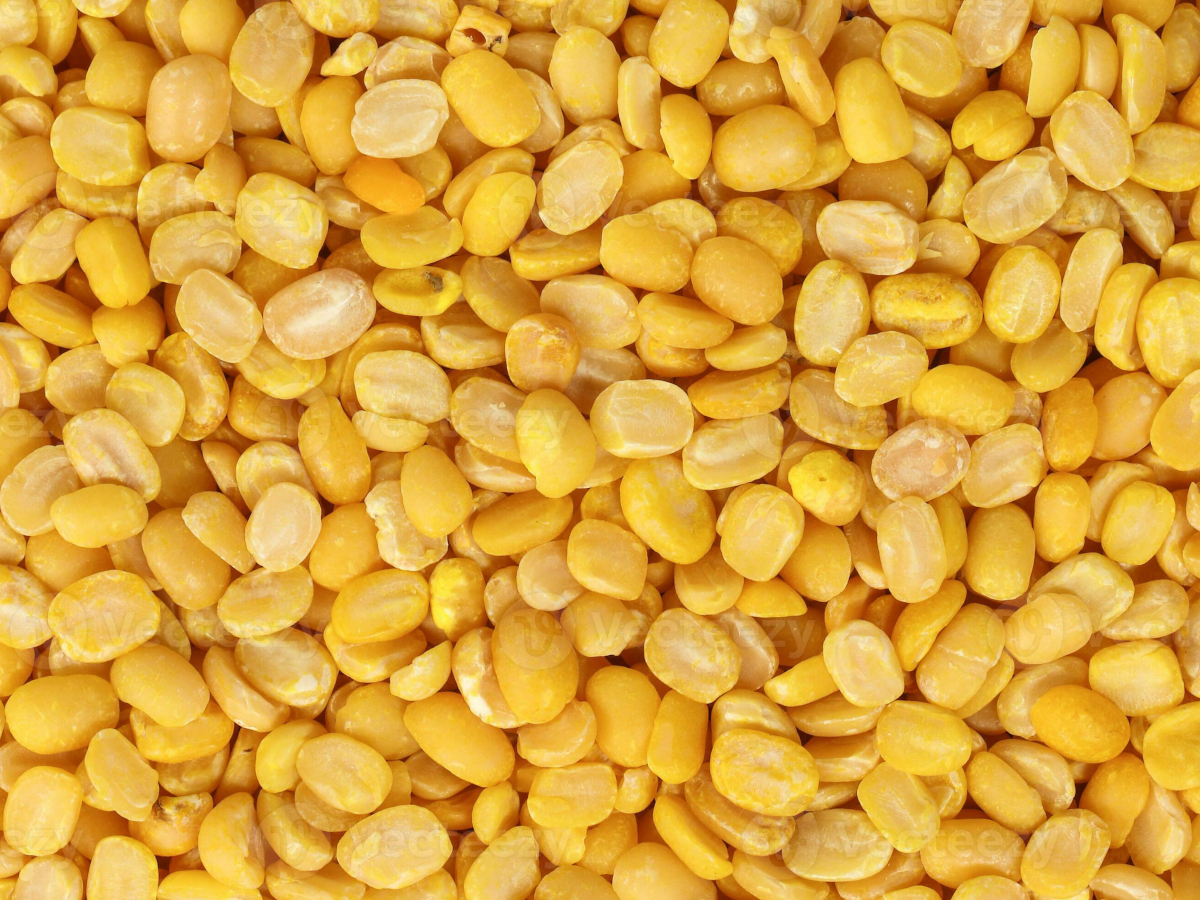
2. Yellow Moong Dal
- Season: Summer & Monsoon (Light and cooling on digestion)
- Preparation: Split yellow mung beans; delicate skin removed, cooked down with extra water for a thin, soothing broth.
- Flavoring: Lightly tempered with fresh ginger, cumin, and a squeeze of lemon or fresh coriander leaves.
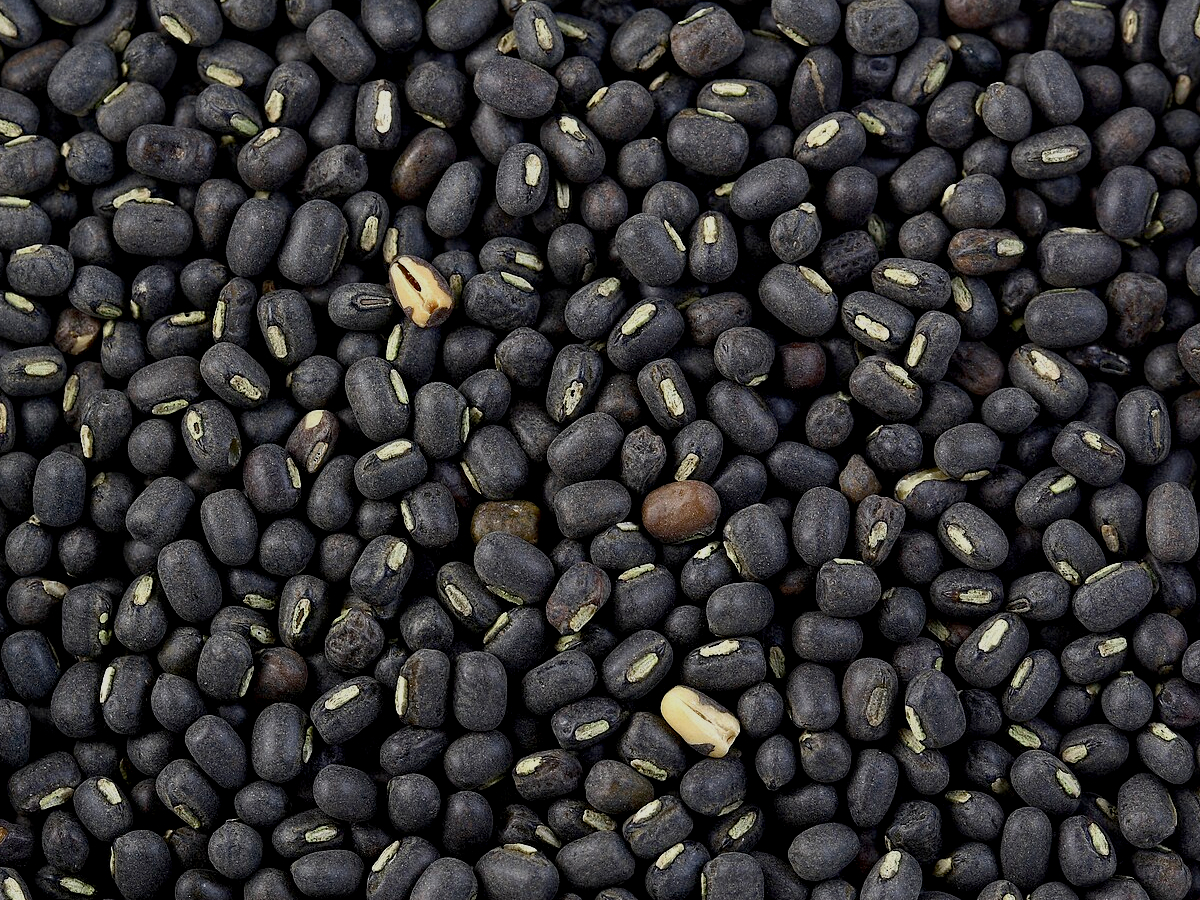
3. Black Gram (Kaalo Maas)
- Season: Winter & Special Occasions (Deeply warming and earthy)
- Preparation: Whole black urad beans requiring longer simmering or pressure cooking to unlock rich mucilaginous depth.
- Flavoring: Heavily spiced with crushed black pepper, ginger, garlic, and finished with a dollop of ghee.
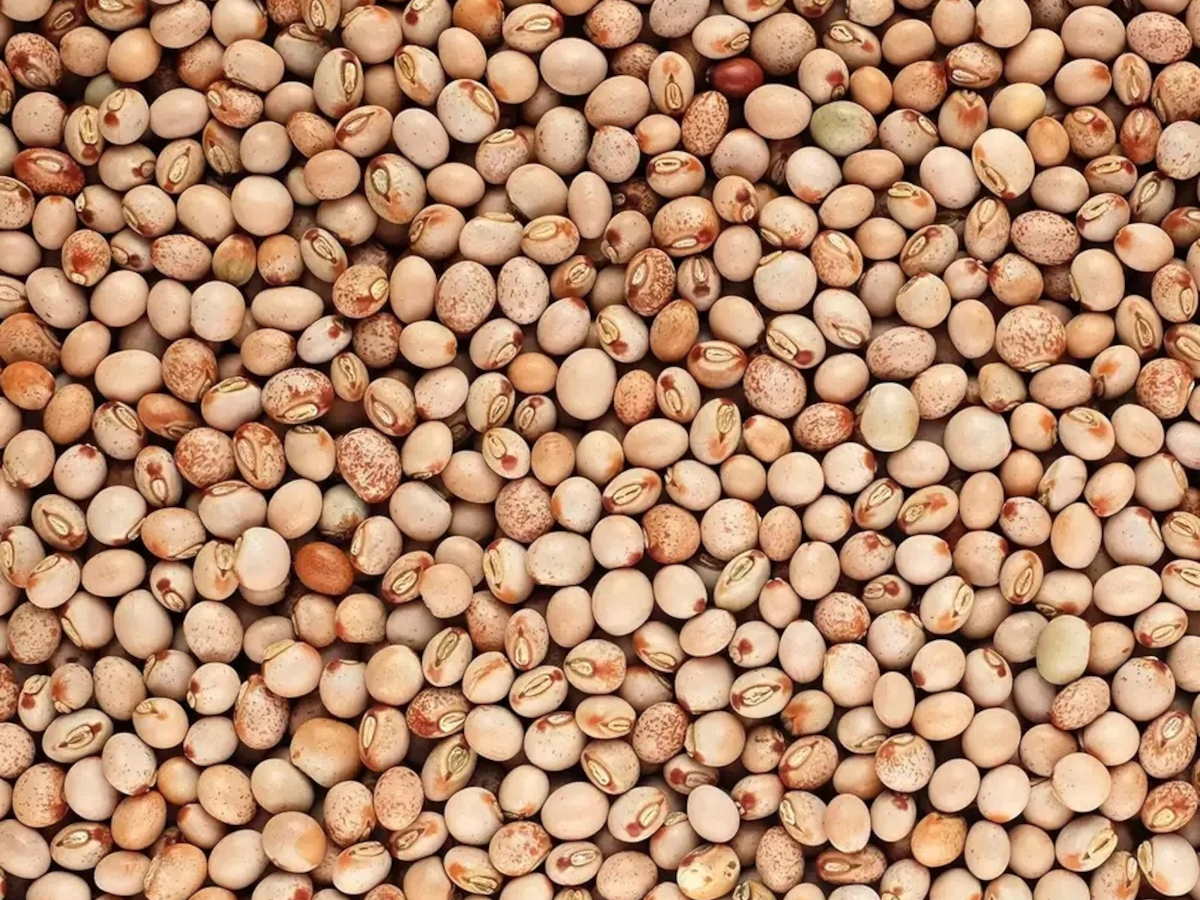
4. Pigeon Pea (Rahar / Toor Dal)
- Season: Autumn & Festive Gatherings (Dashain / Tihar staples)
- Preparation: Yellow split pigeon peas with a distinct, nutty aroma and slightly firm bite.
- Flavoring: Tempered with mustard seeds, dried chilies, asafoetida (hing), and tomatoes.
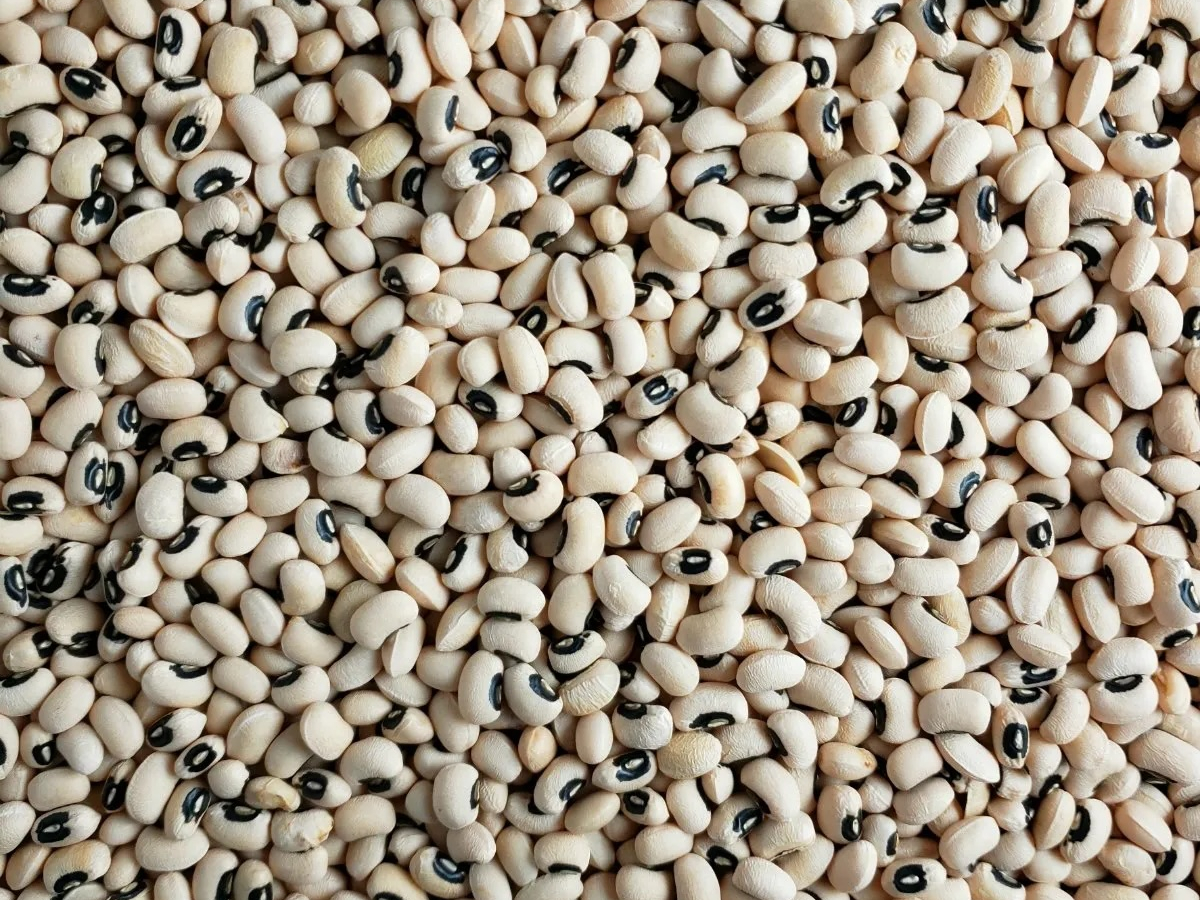
5. Black-Eyed Peas (Bodi)
- Season: Spring / Mid-Year Transition
- Preparation: Small dried beans requiring overnight soaking followed by a robust simmer until tender yet structured.
- Flavoring: Rich onion-garlic base sautéed with Sichuan pepper (Timur) for a subtle tingling finish.
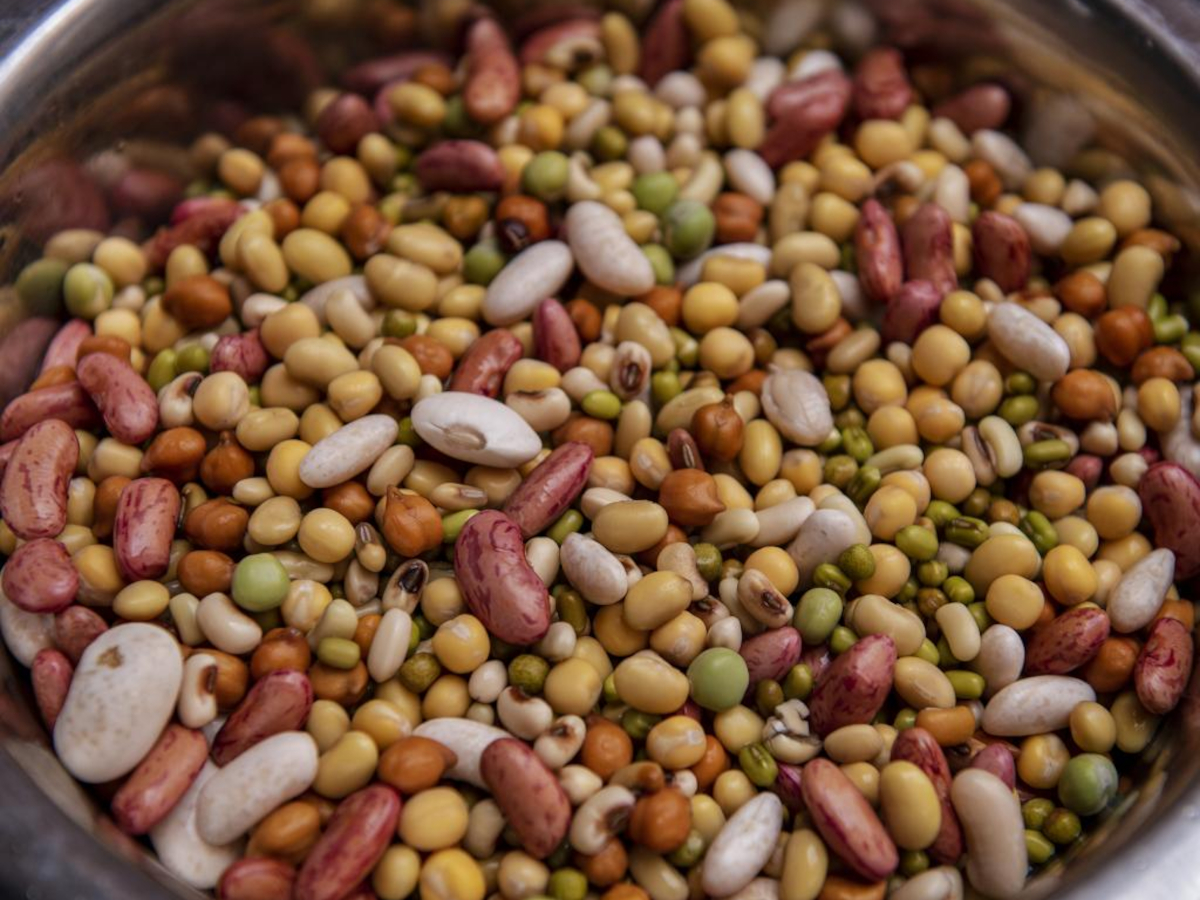
6. Mountain Mixed Beans (Kwati)
- Season: Late Winter / Monsoon Festival (Janai Purnima)
- Preparation: A blend of 9+ sprouted native beans and pulses cooked slow and thick.
- Flavoring: Complex spice blend featuring ginger, garlic, cumin, coriander, and ajwain for heavy nutritional recovery.