
반찬 vs. おかず vs. थकाली
The Architecture of Side Dishes
Analyzing how Korean (Banchan), Japanese (Tsukidashi / Okazu), Himalayan (Tarkari & Aachar), and Italian (Antipasti) dining cultures build supporting ensembles of small plates—and how their sequence on the table differs.
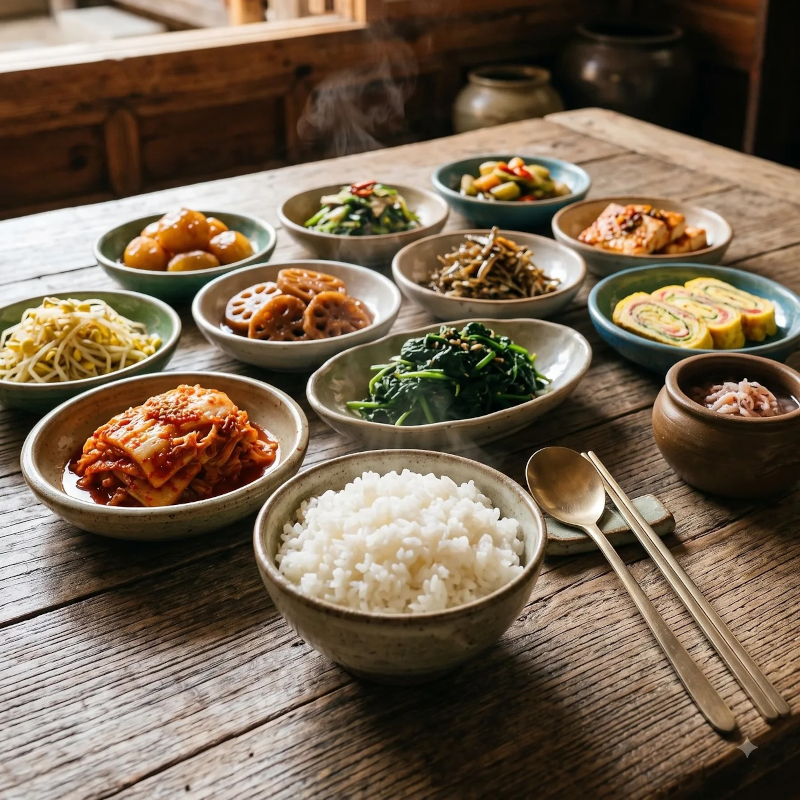
1. Structural & Linguistic Frameworks
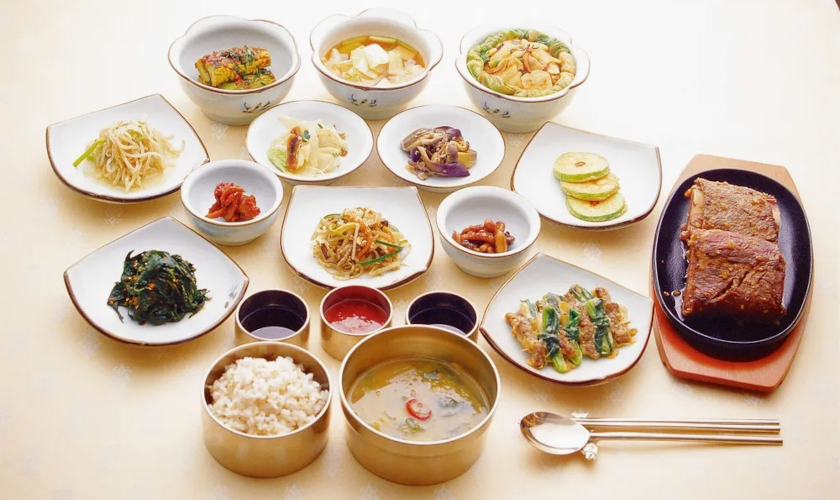
Plating: Shared Small Plates (Baekban Babsang)
- Center Anchor: Steamed Rice (Bap)
- Fresh Element: Kongnamul Muchim / Geotjeori
- Fermented Accent: Kimchi / Jang
- Cooked Element: Jorim (Braised) / Jeon
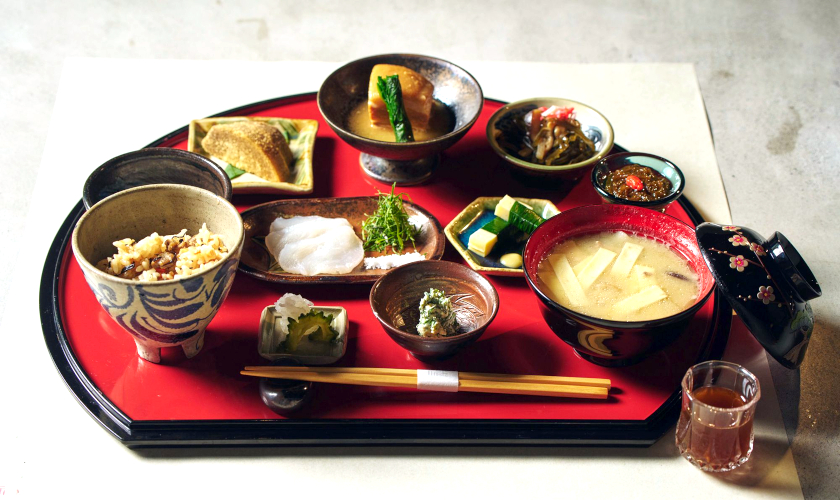
Plating: Individual portioned dishes (Ichiju Sansai)
- Center Anchor: Steamed Rice (Gohan)
- Fresh Element: Sunomono (Vinegar Cucumber)
- Fermented Accent: Tsukemono (Nukazuke/Umeboshi)
- Cooked Element: Nimono (Simmered) / Kinpira
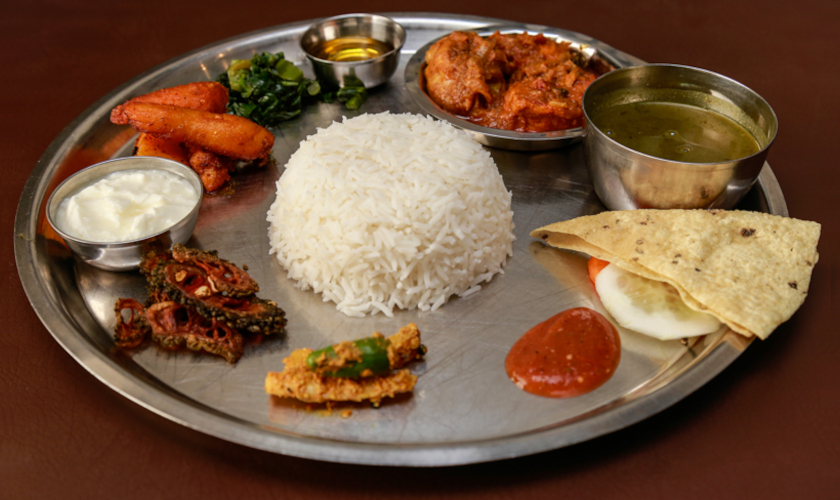
Plating: Unified brass platter (Thali / Thakali)
- Center Anchor: Steamed Rice (Bhat)
- Fresh Element: Fresh Chutney / Cucumber slices
- Fermented Accent: Gundruk / Mula ko Aachar
- Cooked Element: Tarkari (Sautéed Veg) / Saag
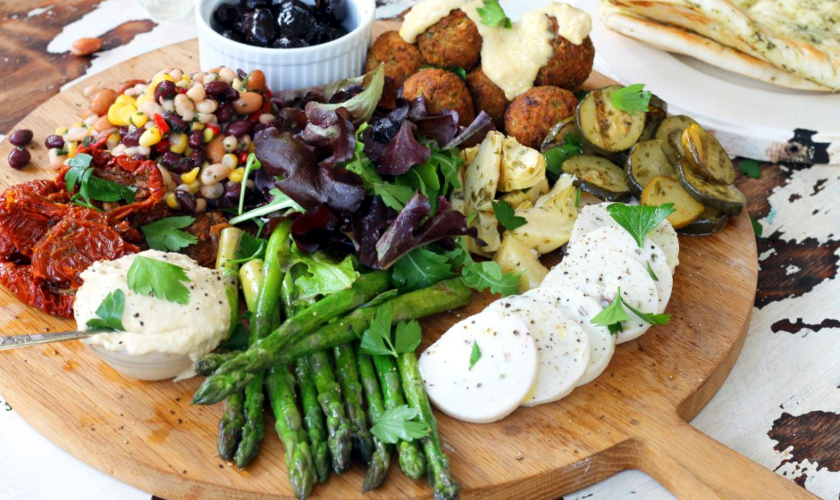
Plating: Shared wooden platter / board (Tagliere)
- Center Anchor: Precedes Primo & Secondo courses
- Fresh Element: Eaten sequentially (before the main meal)
- Fermented Accent: Marinated Artichokes / Caprese (Sott'olio)
- Cooked Element: Cured Salumi / Aged Pecorino
2. The Philosophy of the Supporting Role
Across everyday dining tables in Korea (Banchan), Japan (Tsukidashi / Okazu), and Nepal (Tarkari & Aachar in a Thakali set), meals share a foundational architecture: the star grain requires a supporting chorus. Whether steamed white rice or multi-grain bhat, the primary carbohydrate acts as a calm, neutral canvas. The surrounding array of small dishes provides vital, shifting contrasts in salinity, acidity, pungency, crispness, and fermentation.
In traditional Western culinary tradition, side dishes exist primarily to complement a heavy main protein (such as roasted meats or fish) through warm starches, cooked vegetables, and dressed greens served sequentially or directly on a single plate. In contrast, Asian and Himalayan table cultures operate as a simultaneous, dynamic landscape where every mouthful of grain is intentionally paired with a different supporting element—keeping the palate alert, digestion light, and seasonal produce at the forefront.
3. Side Dish Matrix
A side-by-side technical guide comparing process variables across four primary side-dish bases.
| * | Fresh Element | Fermented Accent | Cooked Element | Protein Element |
|---|---|---|---|---|
| 🇰🇷 Korea | Saengchae · Ssam | Kimchi · Jangachi · Jeotgal · Jang | Namul · Jeon · Jorim · Jjim · Tang · Guee | Beans · Seeds· Tofu · Egg · Fish · Meat |
| Chef's Choice | 무생채 Radish Salad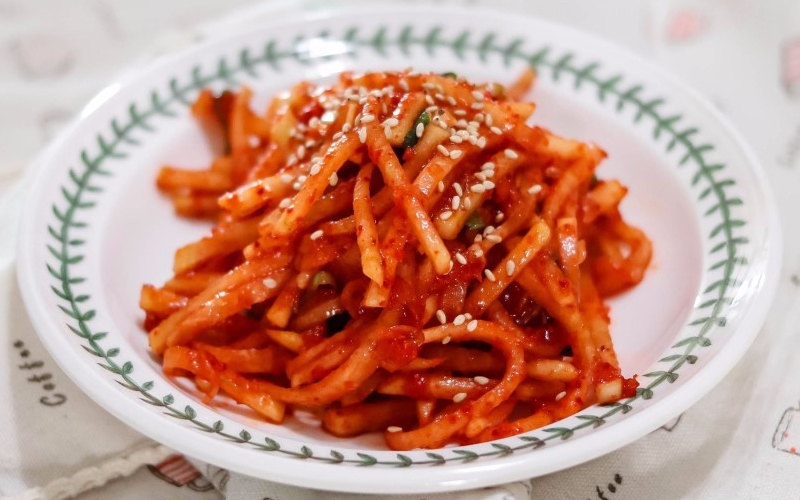 |
오이짱아치 Cucumber Pickle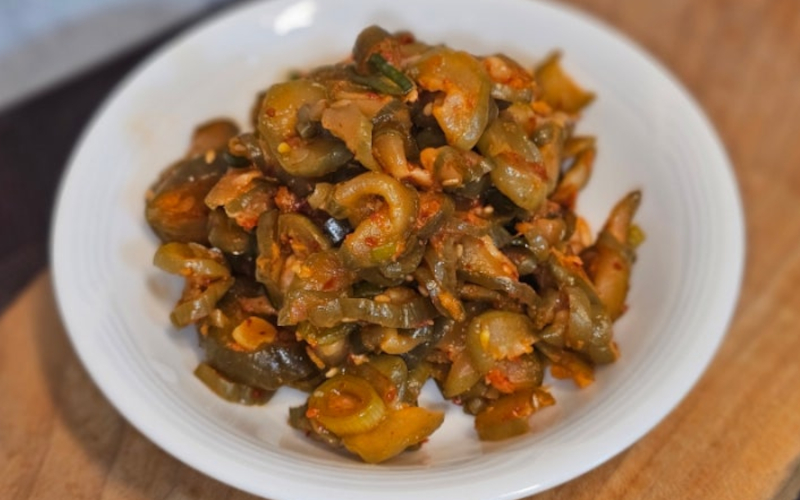 |
콩나물 Soybean Sprout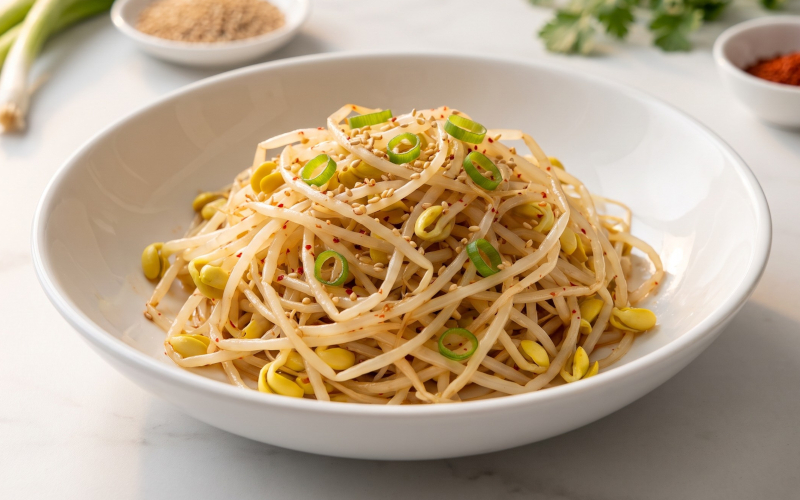 |
두부조림 Braised Tofu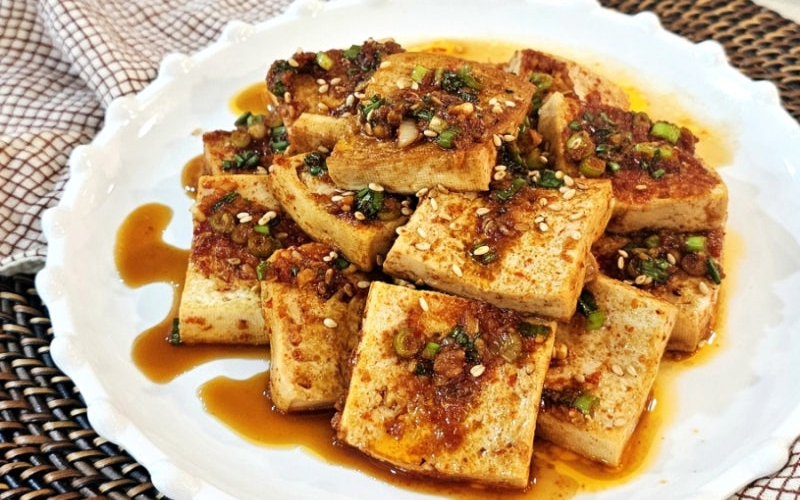 |
| 🇯🇵 Japan | ? | ? | ? | ? |
| · |  |
|
|
|
| 🇳🇵 Nepal | ? | ? | ? | ? |
| · | |
|
|
|
| 🇮🇹 Italy | ? | ? | ? | ? |
| · | |
|
|
|
Chef's Laboratory Notes
Across cultures, the magic of side dishes lies in harmony. While the main grain or protein provides steady energy, a rotation of small, fermented, fresh, or spiced accompaniments ensures that no two bites are identical—turning daily nourishment into an engaging sensory ritual.